
Spain's 2019 vintage - a region by region overview
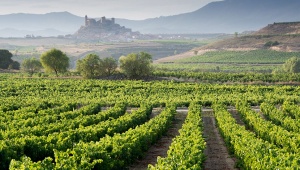
Spain’s 2019 grape harvest weighed in at around 38m hectolitres, significantly down onto previous year when the harvest produced 50m hectolitres, and also down on the country’s average of 43m hectolitres. However, early predictions are that 2019 may well prove to be “one of the best vintages of the decade” according to Wines from Spain.
Overall it was a warm and dry year throughout Spain in 2019, with lower than average rainfall, an early summer heatwave for some regions and low levels of vineyard disease. However, wet and windy conditions during the flowering period kept yields down to a “modest" level. When rain came, it was often at an ideal moment allowing vine development to continue steadily – rainfall in early September was particularly welcome and beneficial as the harvest approached.
The harvest lasted well into October with favourable weather allowing growers to bring in their fruit gradually as each plot, area and variety reached the optimum moment for picking. According to Wines from Spain, a key factor in 2019 was the harvest timing; the best wines will be made from fruit that offered the required freshness to balance the excellent ripeness and health of the grapes so widely reported across the wine regions of Spain.
As regards quantity, berries were generally small and bunch weights were modest making the total crop much lower than the previous year. Red wines are expected to be particularly good from regions including Rioja, Ribera del Duero, Bierzo, Ribeira Sacra and Priorat. Meanwhile white wines from regions including Rías Baixas, Valdeorras and Rueda could also be outstanding. Vineyards in areas badly affected by frost in 2017, including Rioja and Bierzo, showed a fully recovery.
Harvest round up by region from Wines from Spain
DO Rías Baixas - grapes crushed in 2019 32.4m kg
The early part of the growing season saw some problems in Rías Baixas. Budbreak was rapid and uneven and much lower temperatures in March and April slowed vine development. Wind also damaged some early buds and there were isolated cases of hail in the Condado Tea, O Rosal and O Salnés subzones at the end of April. Challenging weather continued during the flowering period with the end result being small, loose bunches boding well for quality but not so well for volume.
The harvest got underway on August 28th and lasted until mid-October with fine weather allowing growers to pick plots gradually as they reached optimum maturity. According to technical director Agustín Lago, yields were 7,997 kg/ha, just under the 10-year average.
In line with the general outcome for the region Pazo de Señoráns will make a bit less wine according to Marisol Bueno. She described acidity levels as being a bit higher than usual and very healthy grapes. At the early stages of vinification she was optimistic about wine quality for 2019: “The wine on the lees smells fantastic,” she said.
DO Monterrei - grapes crushed in 2019 5.6mkg, mainly Godello 2.5m kg and Mencia 1.7m kg
Monterrei brought in a slightly more generous harvest compared to 2018. The region’s main white grape is Godello, often blended with Treixadura, Albariño, Doña Blanca or Loureira while Mencía is the leading red variety flanked by Caíño Tinto and Sousόn.
DO Ribeiro - grapes crushed in 2019 11.7m kg (at early October)
The harvest was over 20% higher than 2018 in Ribeiro thanks to far more favourable weather. Fruit quality was described as “excellent” thanks to warm weather and low rainfall throughout the entire growing cycle. High temperatures at the end of the growing season allowed grapes to ripen to perfection as harvest dates approached. There are high hopes for quality for the 2019 wines which are expected to be superior to those of recent years.
DO Ribeira Sacra - grapes crushed in 2019 7.3m kg; Mencía 6 million kg
Growers in Ribeira Sacra brought in a generous crop, the largest in the history of this DO which champions the red Mencía grape. The harvest was also gradual and long as each of the regions many different varieties and plots were harvested on reaching maturity.
José Manuel Rodríguez, president of Ribeira Sacra’s Consejo Regulador, said: “We’re satisfied with both the quantity and quality... this year we had no issues with frost or hail and we didn’t have the challenging spring weather that we’ve had in previous years. Yields were generally higher and the quality was very good.”
Valdeorras - grapes crushed in 2019 6.8m kg
Growers in Valdeorras had one of the most generous harvests of the decade and picked two million kg more grapes than last year. Indeed the final result exceeded early predictions in Galicia’s more continental region. There was satisfaction regarding quality for both white and red wines which are showing “strong aromatic profiles” and “perfect quality” according to technical director Jorge Mazaira.
Bierzo - grapes crushed in 2019 13.4m kg
In Bierzo the harvest yield returned to pre-2017 levels as vineyards recovered from the severe frosts of the same year. Conditions in the spring were generally good in the region but some untimely rain at fruitset reduced yields, albeit modestly. The year was drier than usual with 528mm compared to the more typical figure of 700mm.
Harvest conditions were very good allowing growers to harvest steadily between early September and October 20th when the harvest officially came to an end. Mencía grapes offered “powerful aromas, intense colour and flavours” according to the region’s annual report.
Ribera del Duero - grapes crushed in 2019 96m kg
The weather was generally less extreme over the year in Ribera del Duero. It was a drier year and when significant rain did come it was often the opportune moment for it. Windy weather during the flowering period is partly responsible for lower yields together with dry summer conditions, especially in late August. This was followed by stormy weather which slowed the maturation process but there was still time to achieve the right balance in the fruit.
As harvest got underway Sergio Ávila, head winemaker at Cruz de Alba (Quintanilla) said that the quality was expected to be exceptional thanks to the “impressive” health of the grapes. He said: “The berries are smaller and looser but with a perfect balance between skin and pulp.” He added: “Acidity is always a challenge in Ribera del Duero, but this year we are finding grapes with acidity-alcohol-phenolic ripeness balance and we believe that this will result in fine wines showing a bit more warmth than last year.”
At Dominio del Águila in Burgos Jorge Monzόn said that the weather allowed for “perfect ripeness”. He’s confident that this will be a good year for young red wines and in the case of aged wines it could also be a great year so long as grapes were picked early enough to have the required freshness.
This year’s harvest in Ribera del Duero includes 600,000 kg of Albillo Mayor, a white variety which has been cultivated here since the Middle Ages. This is the first white variety to gain DO status in the region and it will make up at least 75% of the blend for white wines.
Cigales - grapes crushed in 2019 7.6m kg
A very dry summer resulted in lower yields in Cigales, some 20% lower than usual, but some rain towards the end of harvest boosted the crop modestly. The weather also meant that the harvest got off to an early start at the beginning of September for this DO which focuses on Tempranillo, predominantly for reds and rosé wines.
The 2019 harvest fulfilled expectations in terms of healthy grapes and the first stages of vinification showing good balance and fine aromatic profiles in the wines.
Tierra de León - grapes crushed in 2019 3.5m kg
The weather was challenging for growers in DO Tierra de Leόn at the start of summer due to severe hail and intense rain, especially in the south of the region. The dry weather which followed for the entire country was therefore particularly welcome here virtually eliminating disease in the vineyards and boding well for healthy fruit as vintage approached. Light bunches and small berries with a high pulp/skin ratio made winemakers confident for the potential of aged reds from the 2019 harvest.
White varieties – Albarín and Verdejo - account for a relatively small volume here but growers are increasingly backing Albarín as the region’s best choice for white wines and this year the variety surpassed Verdejo in volume for the first time.
Tierra del Vino de Zamora - grapes crushed in 2019 623,789kg
The total crop was below the ten-year average for growers in Zamora but the quality of the fruit was described as ‘optimum’ after a steady harvest which was uninterrupted by rain.
Toro - grapes crushed in 2019 113.7m kg
Rainfall was unusually low over the winter months in Toro and the pattern continued throughout the growing season with a dry, warm spring and a hot summer. As a result clusters were lighter than last year with smaller berries offering intense colour and flavour as well as excellent ripeness and sweet tannins. Harvest dates were earlier than last year due to the dry, hot conditions with yields around 25% lower than last year but offering “exceptional fruit quality with an almost total absence of disease”.
Growers increasingly harvest earlier in the morning in Toro in order to preserve freshness and aromas in the fruit and restrain tannins ahead of vinification.
Rueda - grapes crushed in 2019 113.7m kg (88% verdejo)
In Rueda the harvest began at the end of August with Sauvignon Blanc which typically ripens earlier than Verdejo, the region’s flagship variety. Here too warm, dry conditions resulted in lower yields but healthy fruit.
Sara Bañuelos, head winemaker at Ramon Bilbao-Rueda, said: “We have had no issues with disease. It’s been a very dry cycle, and Rueda is a very windy area so the berries have always been aerated. There was rain at the end of harvest, but Rueda had less than the rest of Spain and it just meant we focused even more on the status of the vineyards. After the rain there were mornings with a slight breeze and fresher nights which was perfect for us.” Like many others in the region she is upbeat about this harvest which she said offered “quality, concentration, complexity, freshness and healthy grapes”.
Rioja - grapes crushed in 2019 385 million kg (486 million kg in 2018); red varieties - 342 million kg, white varieties – 43 million kg.
For Rioja, the climate was far more Mediterranean in style over the growing period in contrast to the much cooler, wetter conditions of 2018. Areas that had suffered badly from the severe frosts of 2017 also showed full recovery and a ‘return to normal’ this year, according to Pablo Franco, technical director at Rioja’s Consejo Regulador.
“Warm temperatures led to an early budbreak but the weather at flowering was not ideal due to wind and rain and there was a poor fruitset,” said Franco. Vines offered small bunches and at this stage it was already clear that the crop would be around 20% lower than an average but also boding well for quality thanks to smaller berries potentially offering intense flavours.
The dry conditions which followed throughout summer and on into the autumn favoured a less vigorous vine growth compared to last year and below average bunch weights at the time of harvest. Stormy weather in June did not prove to be problematic however there were concerns when heavy rains came on September 20th and 21st causing a break in the harvest. But the weather soon became stable...“The weather changed and there was a northern wind which avoided botrytis. It was important to wait for the best quality and get something extraordinary,” said Franco.
The weather remained favourable well into the autumn allowing a staggered harvest across the three main areas – Rioja Alta, Rioja Alavesa and Rioja Oriental – and for all grape varieties. There are high hopes for Tempranillo wines in all their different guises but varieties such as Graciano and Garnacha, later-ripening varieties which can struggle to ripen in cooler years, performed well in 2019 and will contribute depth and complexity to blends. Most encouragingly this was seen across the region – a good vintage all round.
Navarra - grapes crushed in 2019 54.5m kg, 13 down on 10 year average
Growers in Navarra were able to harvest the region’s wide range of white and red grape varieties in ‘optimum’ weather with little rainfall and warm days followed by cool nights. Red varieties accounted for 90% of the crop including Tempranillo, Garnacha and Cabernet Sauvignon, for the region’s red and rosé wines. There are high hopes for wine quality across all styles including late- harvest Moscatel wines.
Calatayud - grapes crushed in 2019 10.5m kg (estimate)
The outcome for both quality and quantity was very positive in Calatayud where the Garnacha variety dominates. Here the spring weather was more favourable than in many other areas and, unlike 2018, there was no serious hail. The final yield is expected to be fairly close to last year.
Cariñena - grapes crushed in 2019 57.2m kg, 30.5% lower than 10 year average
The viticultural year in Cariñena was very dry and hot. Rainfall was well below average from the autumn/winter period giving growers early signs of drought and modest yields to come. Low spring temperatures meant that vine development was slow initially but warm, dry weather saw a favourable flowering period and a rapid fruitset which was without setbacks for most areas of the DO.
As the summer progressed it became clear that this would be a year offering very healthy grapes -Tempranillo, Garnacha and Carineña being the key varieties for winemaking in this region - but yields were much lower in 2019.
Somontano - grapes crushed in 2019 21m kg, 12% up on 2018. Chardonnay 3.9mkg, Cabernet Sauvignon 5m kg
The outcome of the harvest in Somontano was very positive both in terms of quality and quantity with the region’s growers bringing in higher yields than the previous year. The harvest started promptly on August 22nd when the first Chardonnay grapes were picked followed by a wide range of varieties including Gewürtztraminer and Garnacha Blanca, the leading red Cabernet Sauvignon, Tempranillo, Merlot, Garnacha Tinta and finally the local red Morisel.
La Mancha 2019 crush figures unavailable
Yields were significantly lower for La Mancha largely due to the dry conditions. In some areas hail at the end of the summer resulted in yields being down as much as 30-40%. Fruit quality was good, especially for red wines.
Catalunya - grapes crushed in 2019 47l5m kg
Dry conditions and a heatwave at the end of June kept yields lower than recent years in DO Catalunya with volumes down 4.4% compared to 2018. Yields were particularly low in southern parts of Tarragona but in other areas the harvest equalled or even surpassed the previous one in quantity with most red varieties faring well and Garnacha Blanca standing out amongst white varieties.
The quality and health of the fruit was described as “very good” as fruit came in after a gradual ripening period and one of the longest harvests of recent years. The use of treatments in the vineyards could be kept to a minimum in 2019 thanks to favourable weather throughout almost the entire growing cycle.
Penedès - 2019 figures unavailable
Miguel Torres Mazzassek of Familia Torres described the 2019 harvest in Penedès - and other areas of Catalonia - as “excellent, although less fruitful than last year”. Regarding Penedès he said: “This year we achieved the optimal level of ripeness in all areas of the Penedès, unlike last year when there was some difficulty in the area of Alts d’Ancosa. Throughout the region, the grapes were harvested in a good state of health but with a lower yield than last year. Varieties with a short cycle, such as Chardonnay and Moscatel de Frontignac, were harvested in their optimal state of ripeness, while medium-cycle varieties such as Xarel·lo and Merlot ripened more slowly, achieving good aromatic and skin ripeness. The late varieties, such as Parellada and Cabernet, ripened slowly with balance and good acidity”.
Priorat - grapes crushed in 2019 6.2m kg (estimate), 6.5mkg in 2018
There was less rain than usual over the winter and spring in Priorat and the most significant weather event was a four-day heatwave with temperatures over 40°C in late June and early July. Thankfully the rest of the summer was cooler than usual allowing slow and steady ripening and no signs of dehydration by the end of the summer which can occur after very hot spells with drought.
Some light rain was welcomed by growers in September ahead of a few weeks of modest temperatures which favoured steady and complete ripening as harvest dates approached.
Despite the challenging heat of the early summer, especially for some Cariñena vineyards, fruit quality was generally very high in Priorat in 2019 with Garnacha performing very strongly.
Jumilla - grapes crushed in 2019 78m kg
The length of the harvest in Jumilla, a particularly large DO extending over 2,500 sq km across north-eastern Murcia and the province of Albacete in Castilla-La Mancha, took place over three months. It progressed steadily according to the ripening periods for vineyards with different altitudes and exposures and also according to grape variety: early-maturing whites were harvested first followed by reds including Syrah and Cabernet Sauvignon, Garnacha Tinta and Garnacha Tintorera and finally the leading red Monastrell with the last grapes of this flagship variety being picked in early November. An almost total absence of disease bodes well for Jumilla’s wines this year which is likely to include a high proportion of organic production.
Source: Wines from Spain